Blurry, changing or uncomfortable vision can come from several different places. Here's a plain-English guide to the most common causes and symptoms, so you know what might be going on and what to do next.
If something feels off with your vision, it usually falls into one of three broad categories. Many vision problems come down to a focusing issue that glasses or contact lenses correct easily. Others point to an underlying eye health condition that needs monitoring or treatment. And a surprising number are caused by dry eye, which can blur your vision just as much as a focusing problem can. Explore each category below, or jump straight to a symptom that sounds like yours further down the page.
Myopia, hyperopia, astigmatism and presbyopia — the most common reasons vision looks blurred, and easily corrected with the right prescription.
Explore Blurry Vision → Underlying ConditionsCataracts, glaucoma, macular degeneration and more — conditions that affect the eye itself and benefit from early detection.
Explore Eye Health → Comfort & ClarityGritty, tired or fluctuating vision, especially after screen time, is one of the most common and most overlooked causes of blur.
Explore Dry Eye →Trouble reading the board, signs or the TV, while up-close vision stays sharp, is the classic sign of myopia (short-sightedness), the most common cause of blurry distance vision.
Read MoreBlur up close, or tired, strained eyes after reading or screen time, often points to hyperopia (long-sightedness), which can also contribute to headaches if left uncorrected.
Read MoreIf things look slightly blurred or stretched both near and far, an irregularly shaped cornea, known as astigmatism, is often the reason, and it's easily corrected.
Read MoreA gradual loss of near focus, usually noticeable from your early to mid-40s onwards, is a normal part of ageing called presbyopia rather than a sign of disease.
Read More
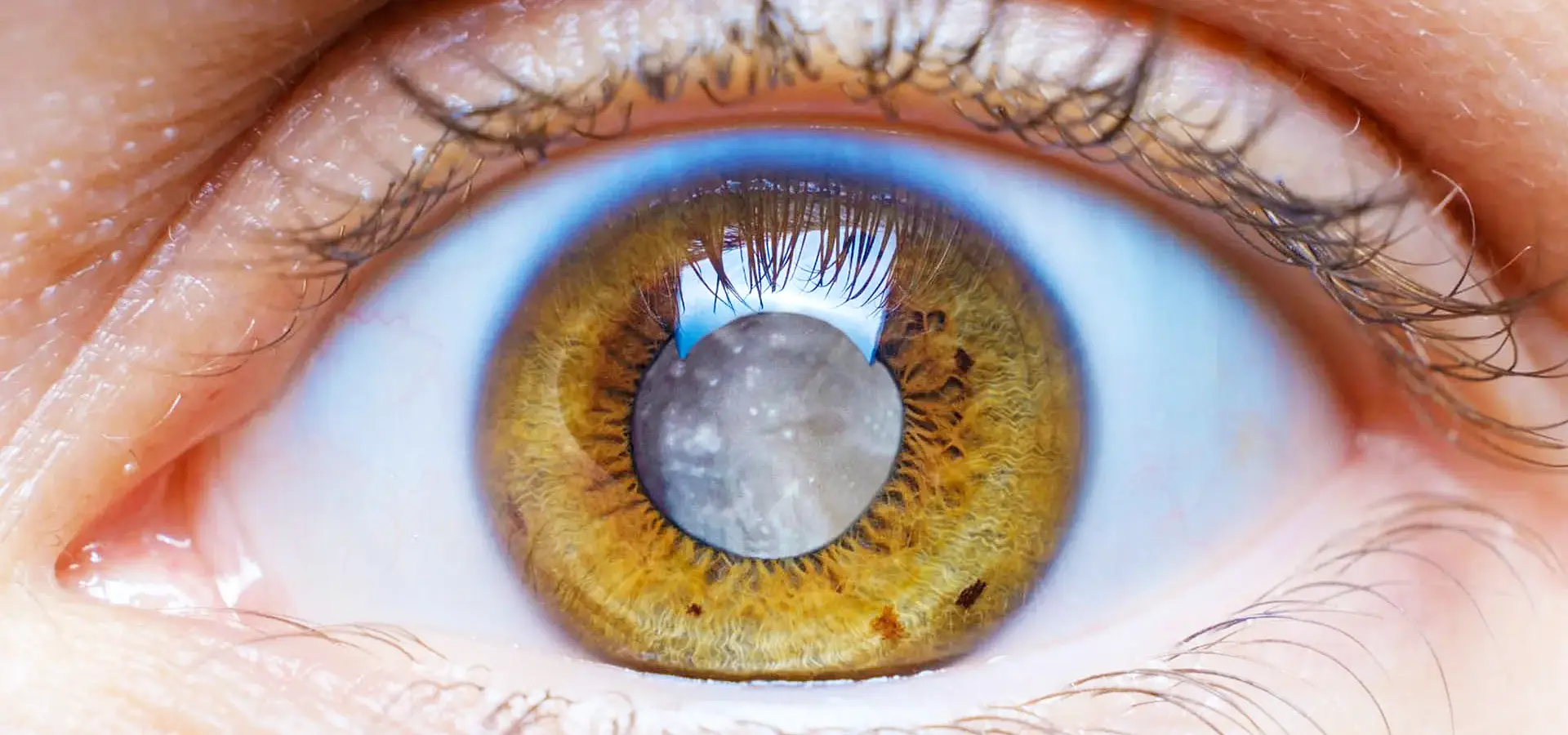
Hazy, cloudy vision, or increasing glare from bright light and night driving, is usually a cataract, a common and treatable clouding of the eye's natural lens.
Read More
Glaucoma damages the optic nerve gradually and often silently, with little to no early symptoms, which is why regular eye tests matter even when your vision feels fine.
Read More
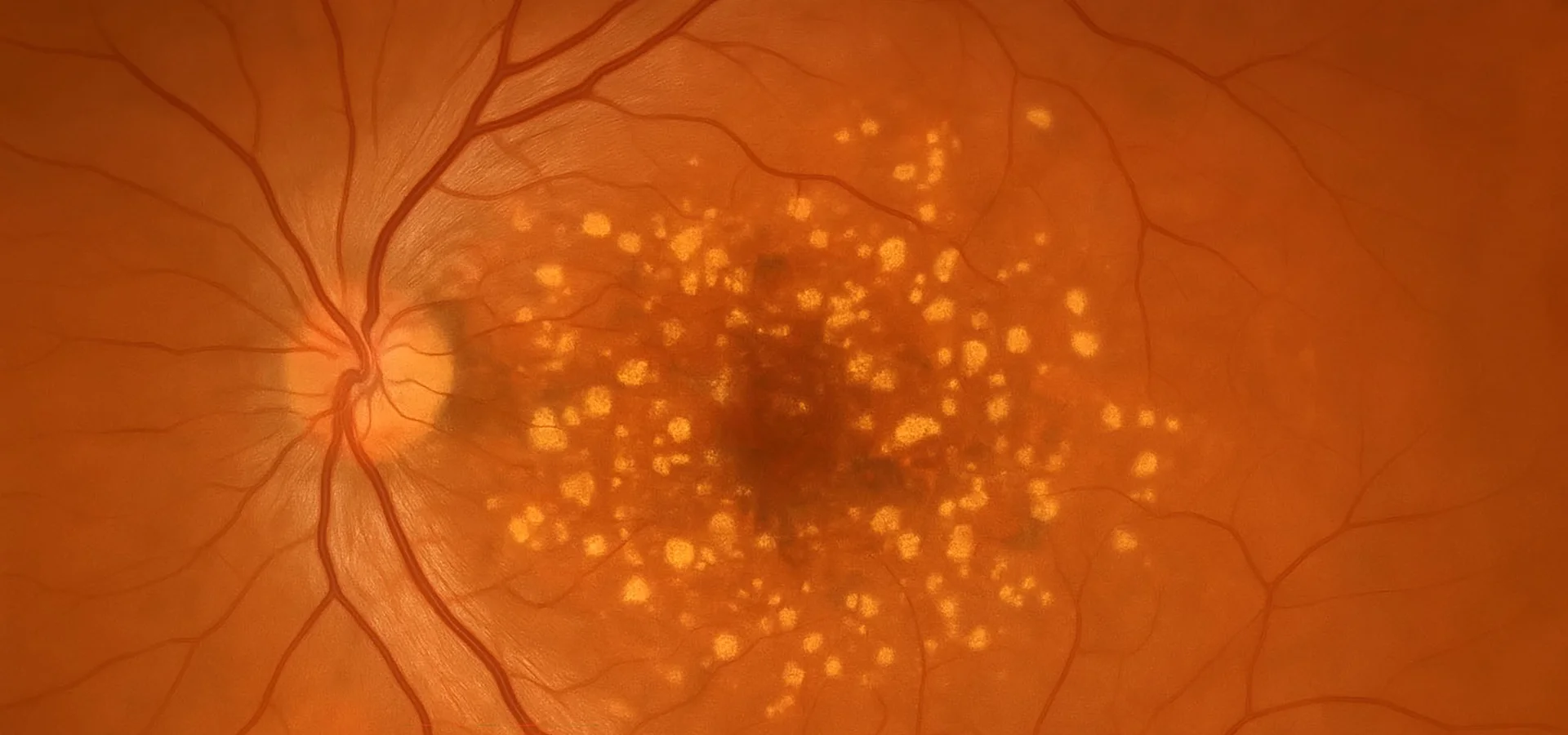
A blurred or blank patch in the centre of your vision, or straight lines appearing bent, can be a sign of macular degeneration affecting the central retina.
Read More
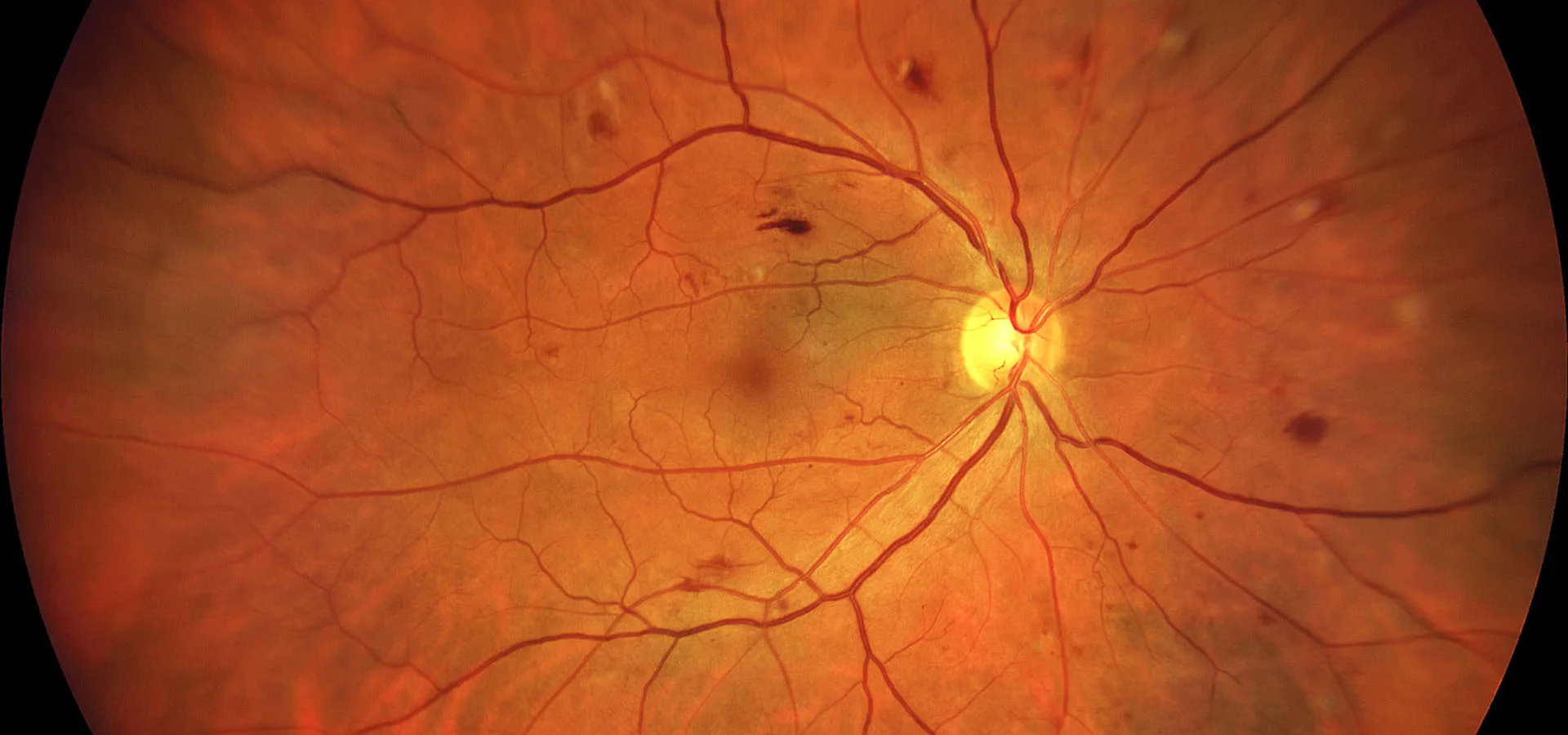
High blood sugar can damage the tiny blood vessels in the retina, often before you notice any change in your sight, making regular diabetic eye checks essential.
Read More
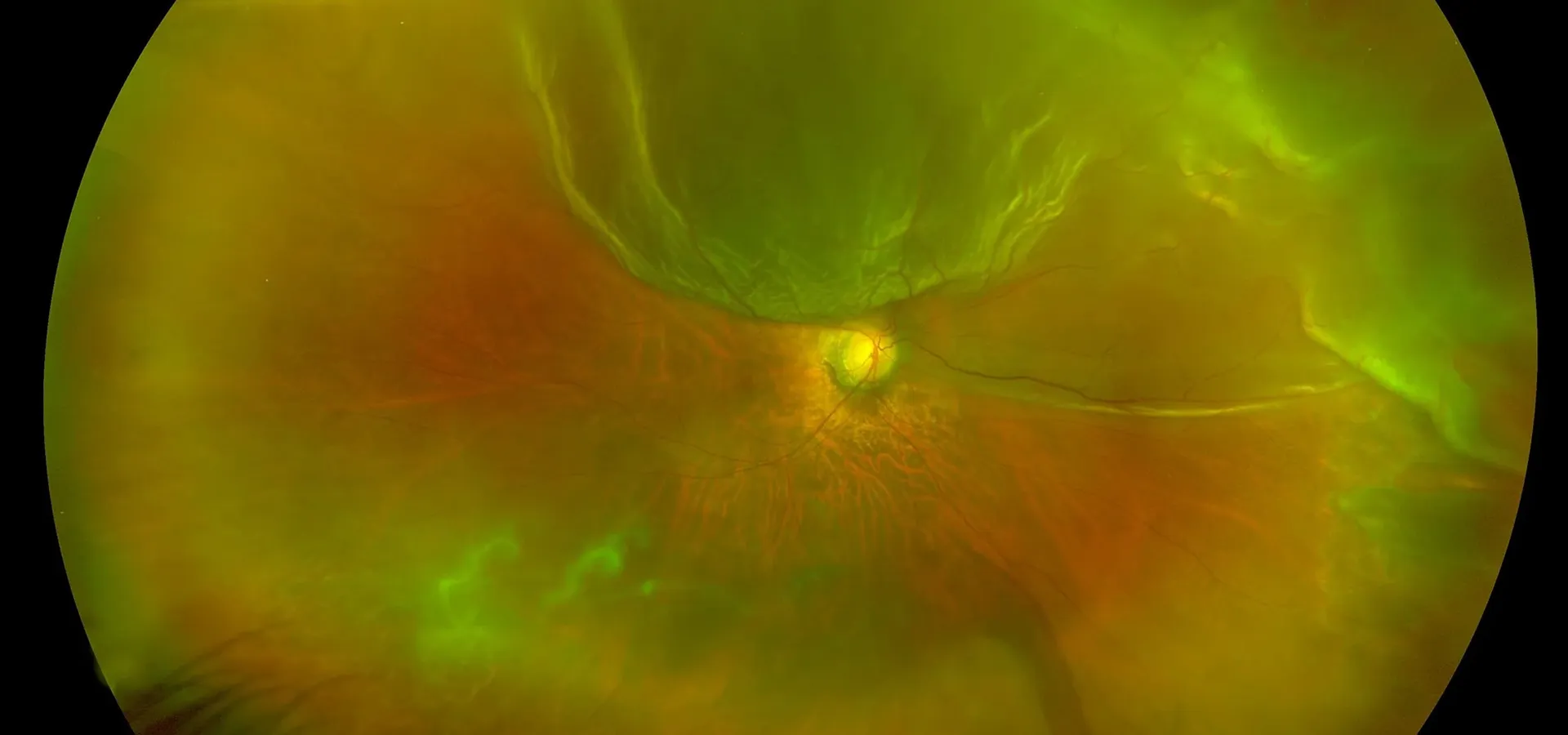
A sudden shower of floaters, flashes of light, or a dark curtain creeping across your vision needs urgent same-day assessment to protect your sight.
Read More
Small floaters are usually harmless and common with age, but a sudden increase, especially alongside flashes, should always be checked promptly.
Read More
Dry eye disease is one of the most common and most overlooked causes of blurred, uncomfortable vision, especially after long stretches on a screen.
Read More
Our comprehensive Dry Eye Assessment gets to the root cause of your symptoms and maps out a treatment plan that's tailored to your findings.
Read MoreIf your vision isn't what it used to be and you're not sure why, a comprehensive eye examination is the best way to get an accurate answer and a plan that's right for you.