Anterior eye examination for pterygium and pinguecula at Eyecare Concepts Melbourne
Eye Health Conditions

Pterygium & Pinguecula: Understanding Sun-Related Growths

Noticing a growth or raised patch on your eye can be unsettling, but most are harmless and sun-related. Here's the difference between the two most common types, and why an accurate diagnosis still matters.

What Are Pterygium And Pinguecula?

If you've noticed a raised patch or growth on the white of your eye, particularly near the nose, it's a genuinely common finding here in Australia. Our high levels of sun exposure over a lifetime make growths like these far more common than in most other parts of the world, and noticing one for the first time understandably makes people concerned.

The good news is that the two most common causes, pterygium and pinguecula, are almost always benign. They can look similar to each other at a glance, but they behave quite differently, which is why telling them apart properly matters, rather than assuming every growth is the same thing.

Very occasionally, particularly when a growth keeps coming back after treatment or looks a little different to a typical case, it's worth a closer, more careful look to rule out something rarer. We'll explain what that means without trying to alarm you, because in the vast majority of cases, there's nothing to worry about.
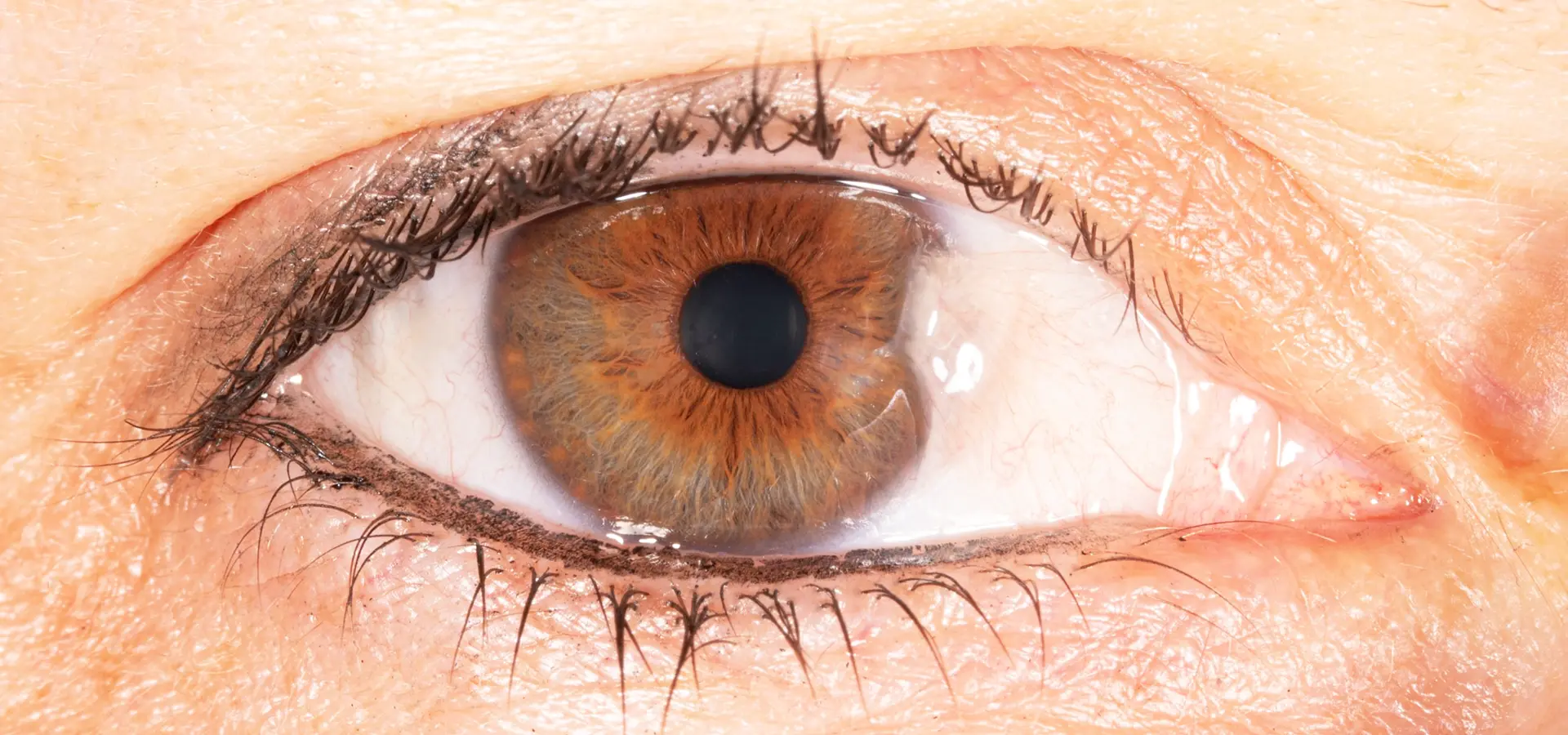
pterygium-02.jpg โ€” Pterygium Close-Up Photo
Two Different Growths

Pterygium vs Pinguecula

These two are often confused for one another, but they have a different prognosis and are managed differently.

Pinguecula

A raised, yellowish patch on the conjunctiva that stays on the white of the eye and doesn't grow onto the cornea. It's usually just a cosmetic or mildly irritating finding, and is typically monitored rather than treated.

Pterygium

A wing-shaped growth that can extend across the cornea itself. Because it can grow towards the centre of vision, it's monitored more closely and sometimes needs surgical removal if it progresses or affects vision.

pterygium-03.jpg โ€” High-Definition Anterior Eye Imaging Photo

Why It's Worth Getting A Professional Opinion

Most pterygia and pingueculae are entirely benign, and we don't want that reassurance to get lost in what follows. But a small number of cases are worth paying closer attention to, particularly pterygia that keep recurring after treatment. Recurrent growths can occasionally turn out to be something other than a straightforward pterygium; some may be sinister.

Some growths can look fairly typical at first glance but show subtle features on closer examination, things like irregular blood vessels, an unusual texture, or faster growth than expected, that are worth a more careful look. This isn't about causing alarm; it's about making sure the right diagnosis is made the first time, by someone with the right training and equipment to actually tell the difference.

An experienced, therapeutically endorsed optometrist is well placed to examine these growths properly and know when something warrants a closer look versus routine monitoring.

Detection & Diagnosis

How We Assess And Monitor These Growths

Getting an accurate diagnosis, and keeping a proper record to compare against in future, is central to managing pterygium and pinguecula well.

Slit Lamp Examination

A detailed, magnified examination of the growth's size, shape, texture and blood vessel pattern, the foundation of an accurate diagnosis.

High-Definition Anterior Eye Imaging

Detailed photography documents the exact size, shape and appearance of the growth, so future visits can be compared directly against a precise record.

Corneal Involvement Check

Assessing whether, and how far, a pterygium has extended onto the cornea helps determine urgency and whether vision is at risk.

History & Risk Review

We ask about sun exposure, outdoor occupation, and how the growth has changed over time, to build a complete picture.

Why We Photograph And Document Every Lesion

Our high-definition anterior eye cameras let us capture a precise, detailed image of any pterygium or pinguecula we find, not just a written description. This gives us a real record to compare against at your next visit, so we can say with confidence whether a growth is stable or genuinely changing, rather than relying on memory or a rough estimate.

This kind of documented monitoring is particularly valuable for anything that recurs or looks slightly atypical, since change over time is one of the most useful signals we have.

Management Options

Pterygium & Pinguecula: What Actually Helps

Treatment is matched to the type of growth, how it's behaving, and whether it's affecting your vision or comfort.

1

Accurate Assessment & Photographic Baseline

A detailed examination and high-definition photograph establish exactly what we're dealing with and give us something to compare future visits against.

2

UV Protection

Wraparound, UV-protective sunglasses and a broad-brimmed hat are the simplest, most effective ways to slow further sun-related damage.

3

Lubricating Or Anti-Inflammatory Drops

For irritation or mild inflammation, drops can settle symptoms considerably without needing anything more involved.

4

Regular Monitoring

Periodic review, generally with updated photographs, tracks whether a growth is stable or progressing, and how quickly.

5

Referral For Surgical Removal Or Further Assessment

Where a pterygium is progressing towards the visual axis, causing astigmatism, or a growth shows atypical features, we refer for surgical removal or a specialist opinion.

pterygium-04.jpg โ€” Clinic Consultation Photo

Our Approach To Pterygium & Pinguecula

Given how common sun-related growths are in Melbourne, we see a lot of them, and our aim is always to give you clear, reassuring information first, backed by a genuinely careful examination. Most people leave knowing their growth is simply a pinguecula or a stable, low-risk pterygium that just needs sun protection and routine monitoring.

Where something needs a closer look, our high-definition anterior eye imaging means we're not relying on memory between visits. We can show you exactly how a growth has, or hasn't, changed, and refer promptly for a specialist opinion if that's the right next step. Our Kew East practice is easily accessible from across Melbourne's inner east, including Hawthorn, Camberwell, Balwyn and Box Hill.

pterygium-05.jpg — Pterygium Assessment Photo
Common Questions

Pterygium & Pinguecula FAQs

What is a pterygium?
A pterygium is a wing-shaped growth of fibrovascular tissue that develops on the white of the eye and can extend onto the cornea. It's strongly linked to long-term UV exposure and is common in Australia given how much sun exposure most people accumulate over a lifetime.
What is the difference between a pterygium and a pinguecula?
A pinguecula is a raised, yellowish patch that stays on the conjunctiva and doesn't grow onto the cornea, while a pterygium is wing-shaped and can extend across the cornea itself. This distinction matters because a pterygium can affect vision as it grows, while a pinguecula generally doesn't.
What causes pterygium?
The leading cause is cumulative UV exposure over years, which is why pterygium is particularly common in sunny climates like Australia. Dry, dusty or windy conditions and significant outdoor time can also contribute.
Does a pterygium need to be removed?
Not always. Many small, stable pterygia are simply monitored and managed with lubricating drops and UV protection. Surgical removal is generally considered when a pterygium is growing towards the visual axis, causing astigmatism, or persistently irritated.
Can a pterygium come back after surgery?
Yes, recurrence is possible, and modern surgical techniques have significantly reduced how often this happens. Because recurrent pterygia can occasionally represent something other than a straightforward pterygium, any regrowth after surgery deserves careful review.
Is a pterygium cancerous?
The vast majority of pterygia are entirely benign. Very occasionally, a lesion that looks like a pterygium, particularly one that recurs or has an unusual appearance, can turn out to be a different, rarer condition affecting the eye's surface. This is exactly why accurate diagnosis and documentation matter, rather than assuming every growth is a routine pterygium.
How can I reduce my risk of developing pterygium?
Wearing UV-protective sunglasses, particularly wraparound styles that block light from the sides, and a broad-brimmed hat outdoors are the most effective everyday steps. This matters throughout life, since UV exposure is cumulative.
Does a pinguecula need treatment?
Often not. Most pingueculae are simply monitored, with lubricating drops used if they cause irritation. Occasionally, a pinguecula becomes inflamed, called pingueculitis, which may benefit from short-term anti-inflammatory drops.
Can pterygium affect my vision?
It can, if it grows far enough across the cornea to distort its shape, causing astigmatism, or if it grows directly over the central visual axis. This is one of the main reasons progressive pterygia are monitored closely and sometimes referred for surgical removal.
How often should a pterygium or pinguecula be monitored?
This depends on the individual lesion, but annual review with photographic documentation is a reasonable starting point for a stable, typical-looking growth, with closer monitoring if there's any sign of change, growth, or an atypical appearance.

Book A Comprehensive Eye Assessment

Noticed a new growth on your eye, or had one for a while without a proper check? A comprehensive assessment with high-definition imaging is the best way to understand exactly what it is and how to manage it.

Book an Appointment