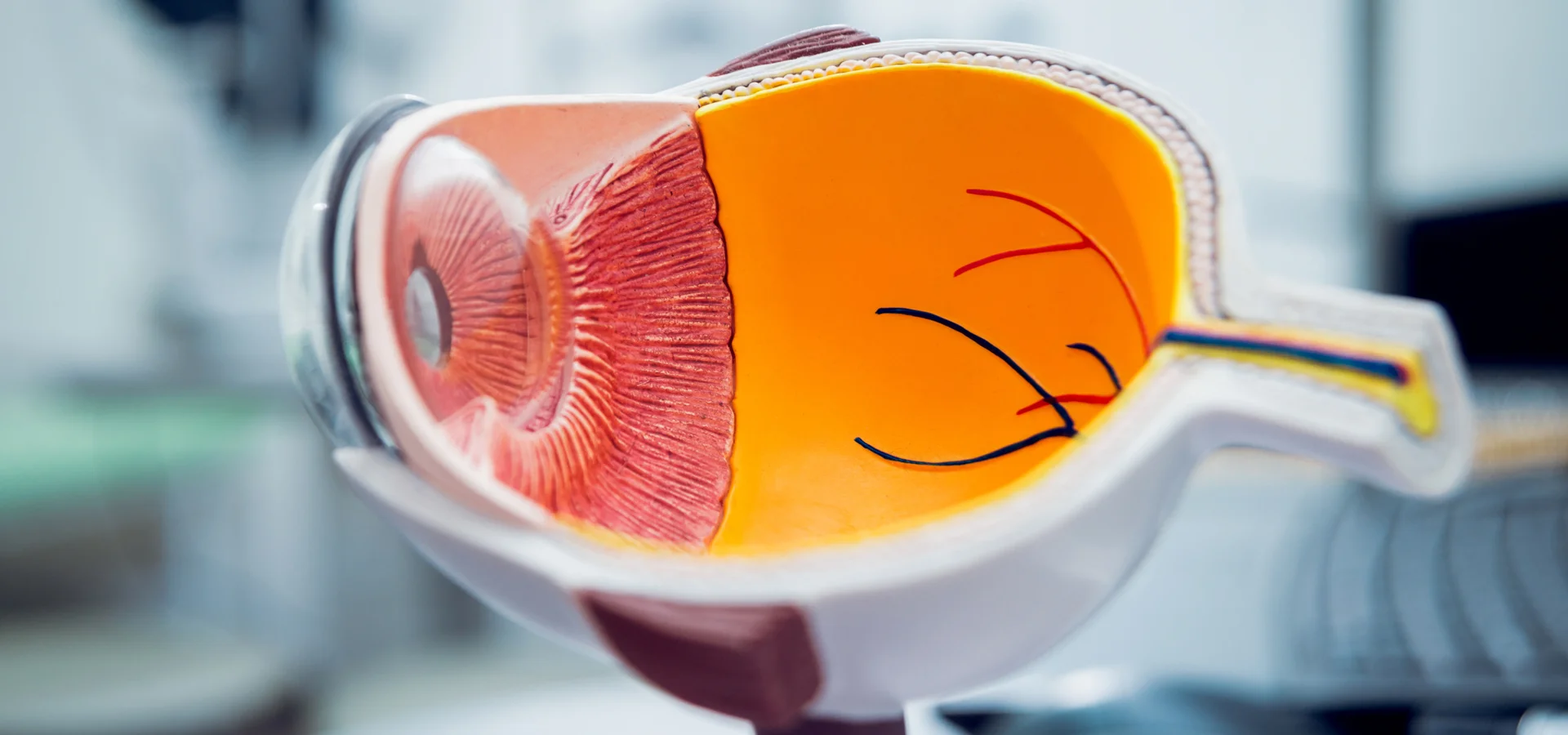
Whether you've been told you might have a specific condition, or you're simply curious about your eye health, this is a straightforward guide to the conditions we see and treat most often.
Click through to any condition below for a clear, no-jargon explanation of what it is, how we detect it, and how it's treated. If you're not sure where to start, a comprehensive eye examination is always the best first step.
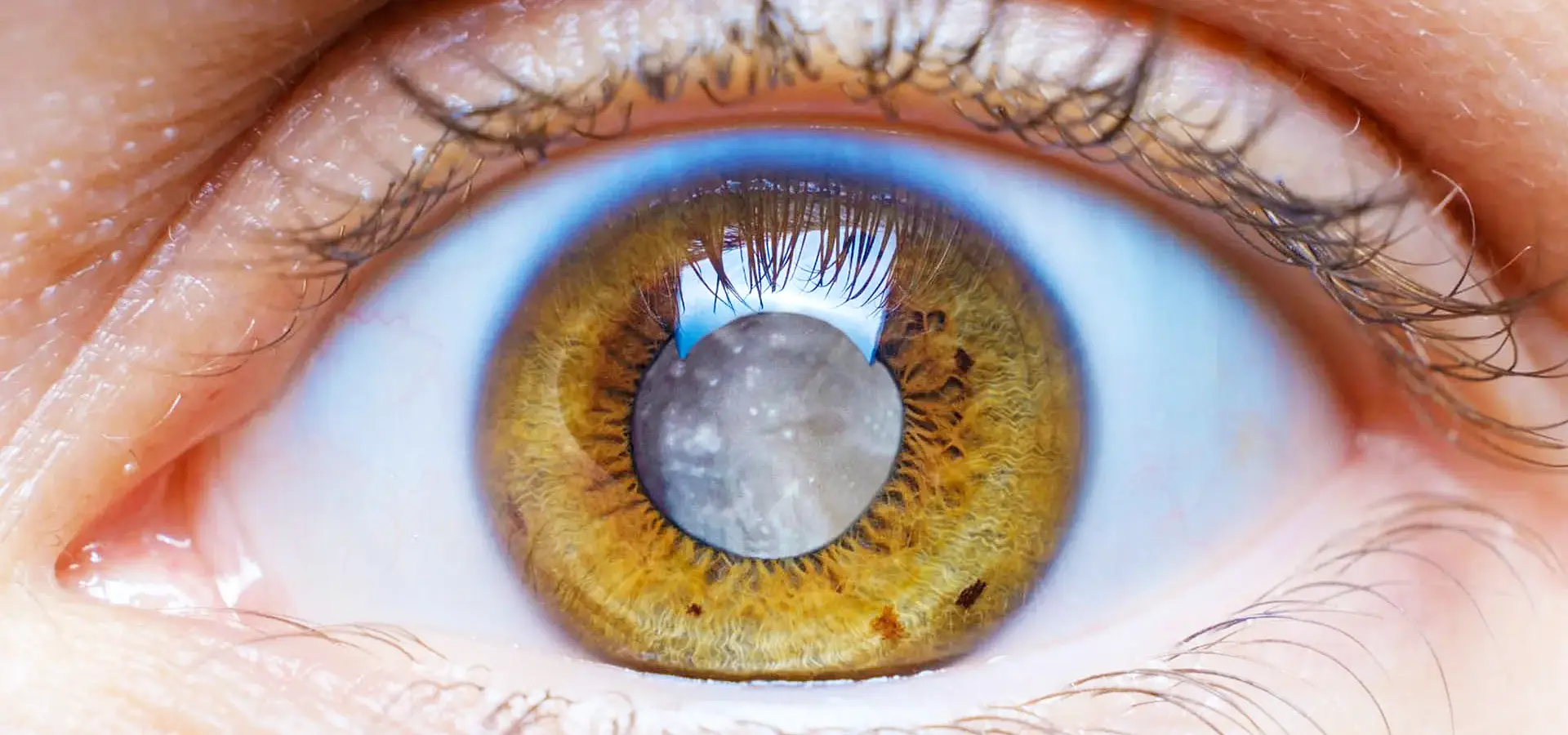
Cloudy, blurred vision that develops gradually as the eye's natural lens loses its clarity. One of the most common age-related eye conditions, and highly treatable.
Read More
Often called the silent thief of sight, glaucoma damages the optic nerve with little to no early warning. Regular testing is the only reliable way to catch it early.
Read More
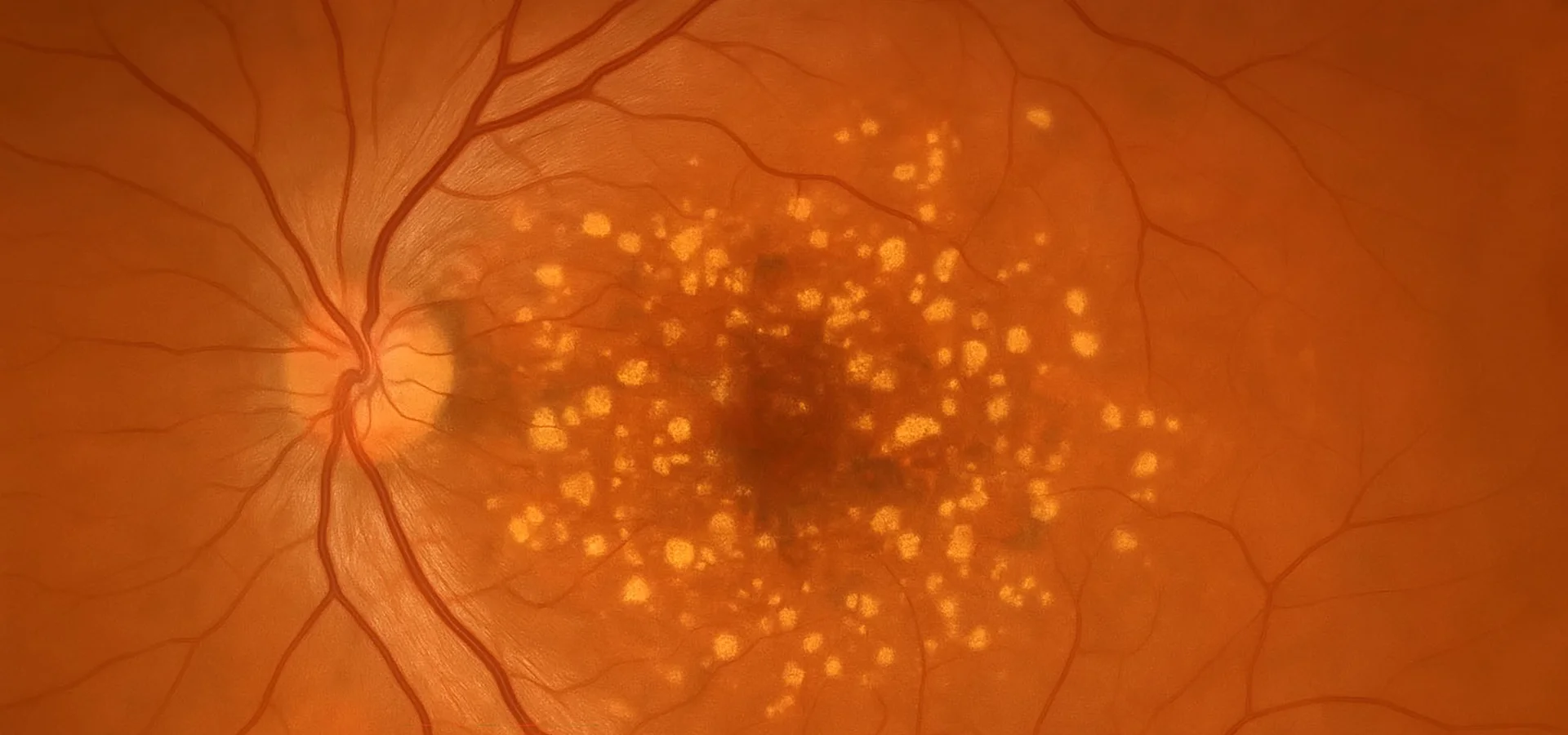
A gradual loss of central vision affecting reading, driving and recognising faces, most common from age 50 onwards. Comes in dry and wet forms with different treatment paths.
Read More
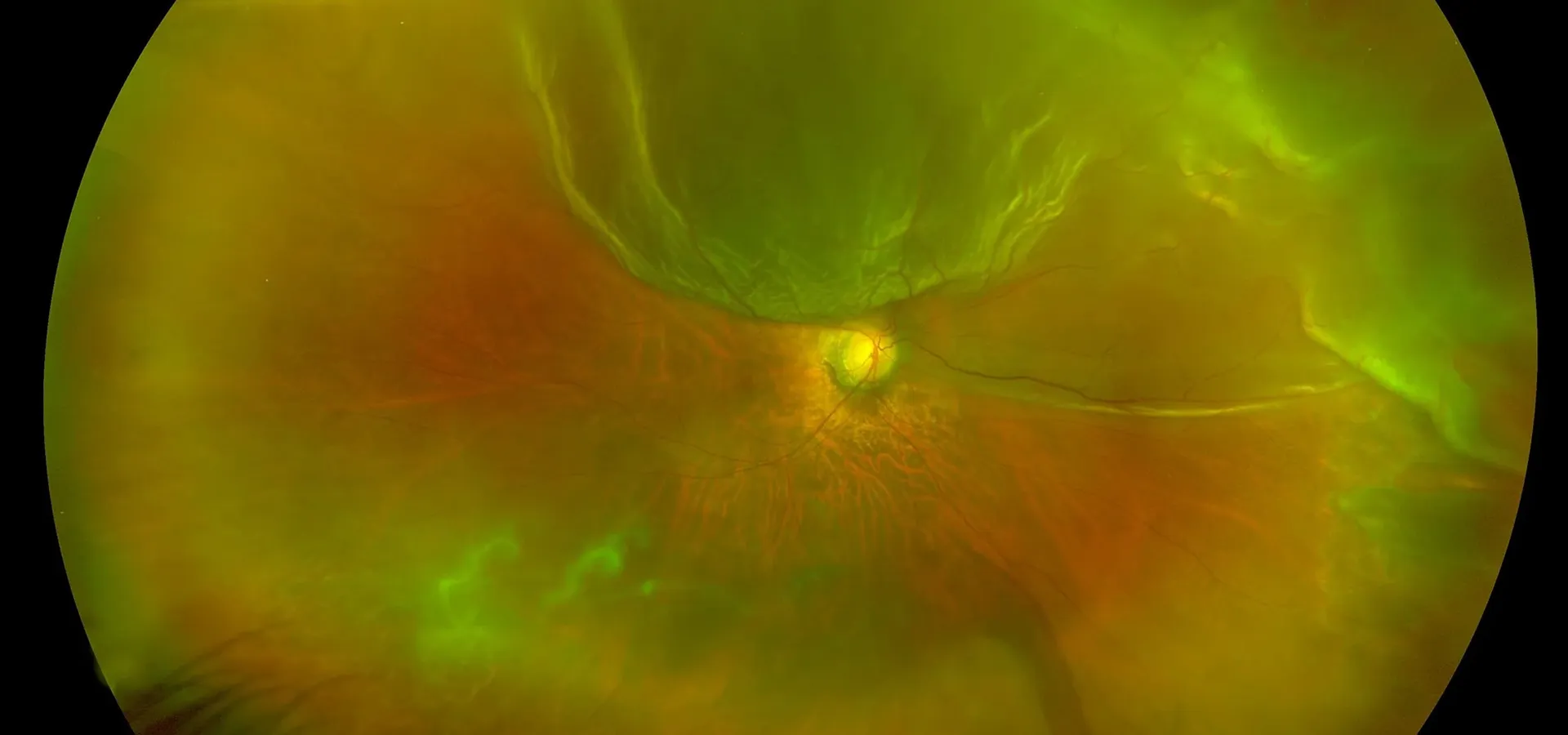
A sight-threatening emergency where the retina separates from the tissue behind it. High myopia significantly raises the risk, and early treatment is critical.
Read More
Small shapes drifting across your vision, usually harmless, but a sudden new shower can be an early sign of a retinal tear.
Read More
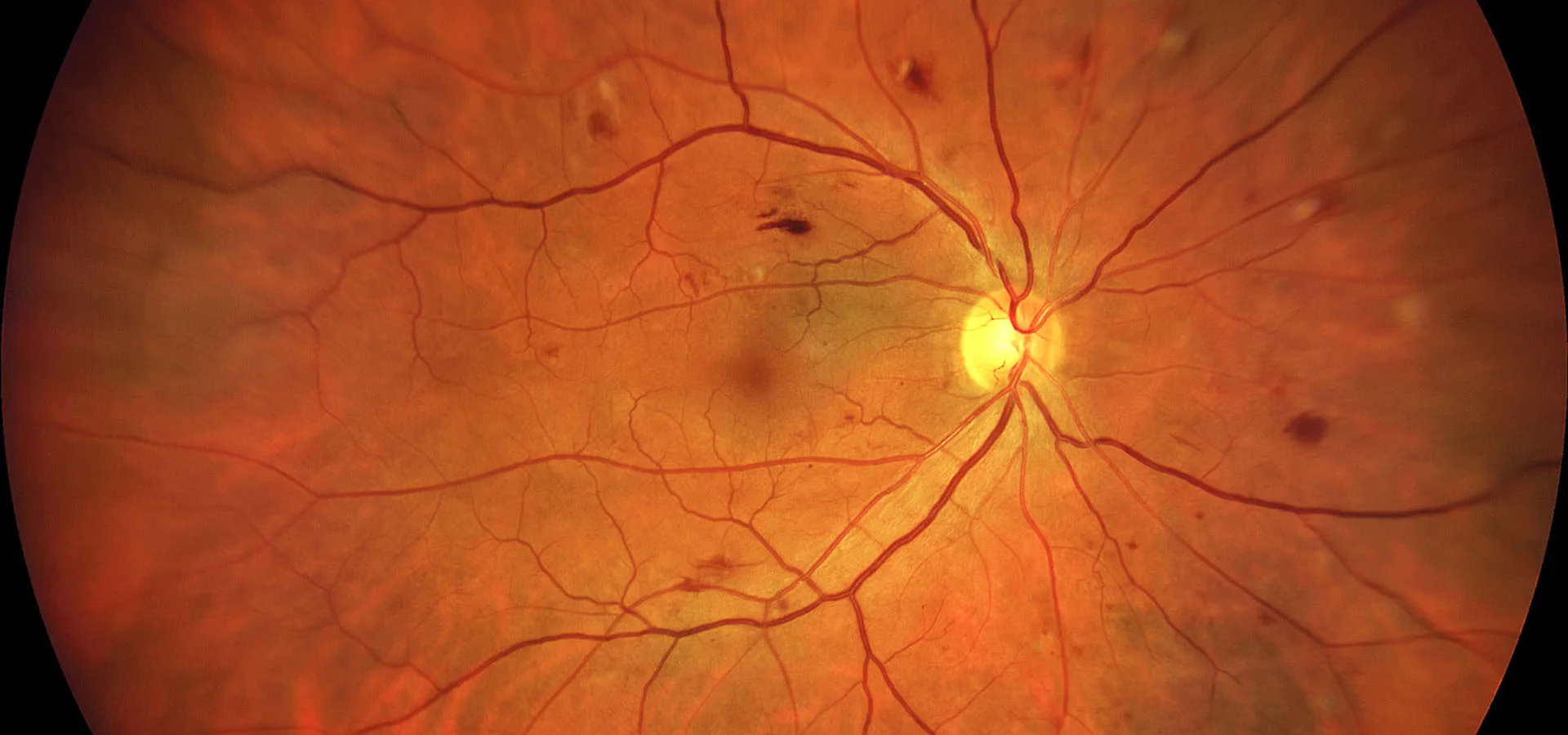
Diabetes can quietly damage the tiny blood vessels in your retina, often without any early symptoms. Regular screening protects your long-term vision.
Read More
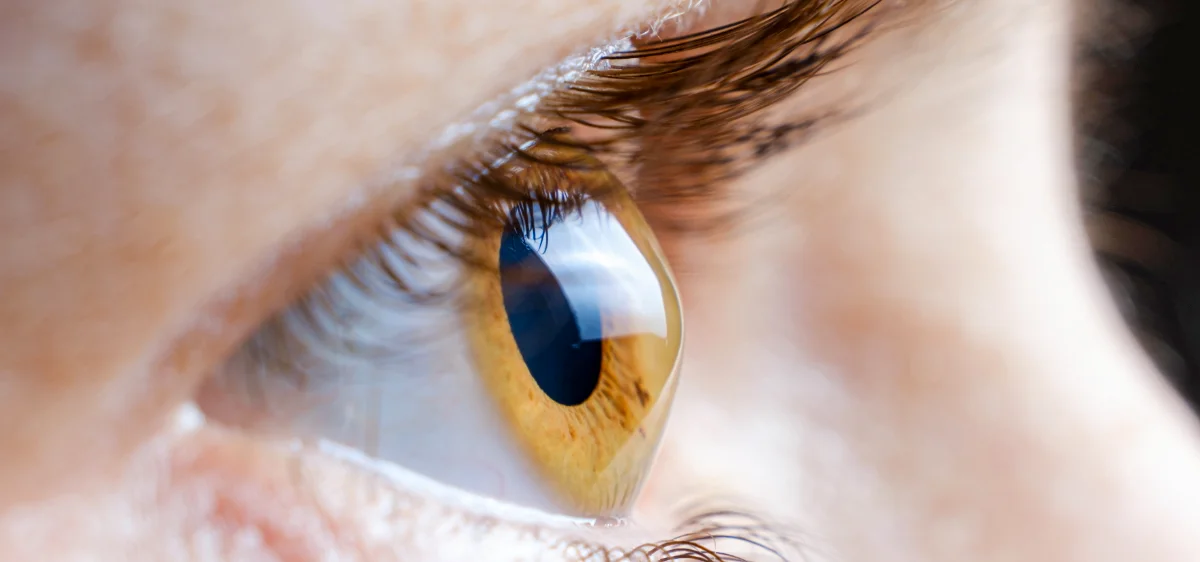
A progressive thinning and bulging of the cornea that distorts vision. Early detection with proper corneal imaging opens up the widest range of treatment options.
Read More
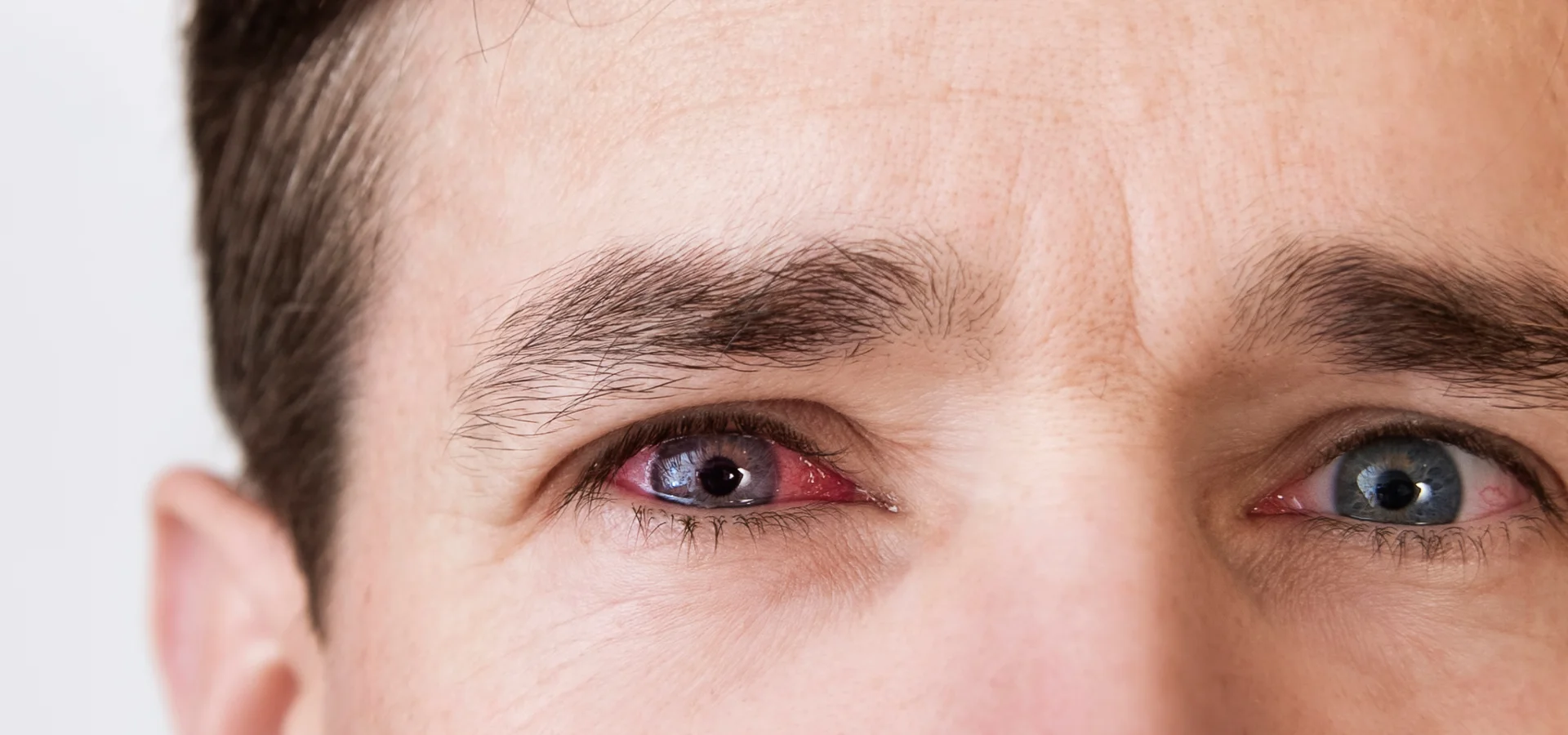
A red, irritated eye can mean several different things, from mild viral conjunctivitis to conditions needing urgent care. Getting the right diagnosis matters.
Read More
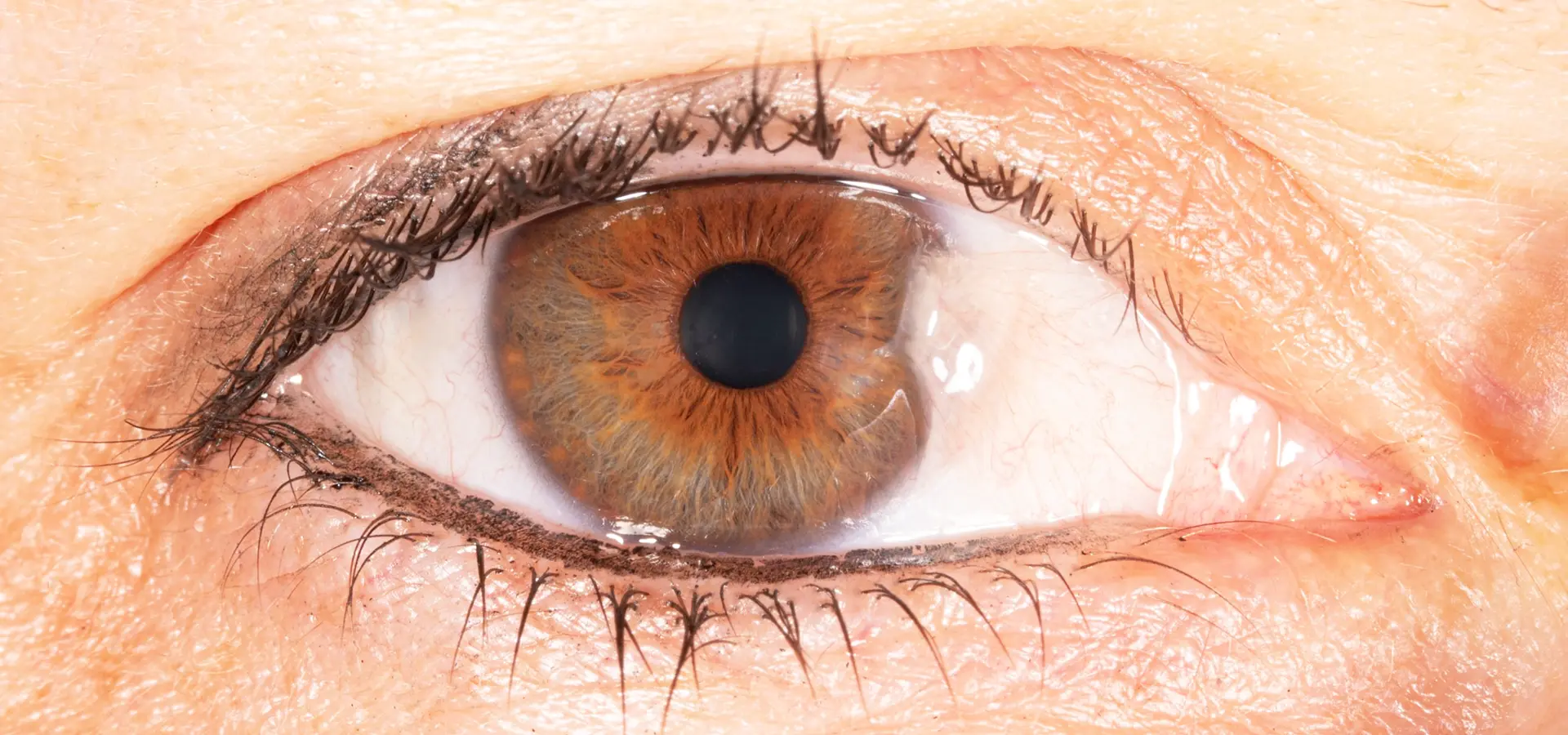
Common, sun-related growths on the surface of the eye. Usually harmless, but worth a proper look to rule out anything more serious.
Read More
A chronic condition of the tear film, not just a lack of tears. Proper diagnosis opens the door to real, lasting treatment beyond drops alone.
Read MoreIf you're experiencing symptoms and aren't sure which condition applies, a comprehensive eye assessment is the best way to get a clear, accurate answer.