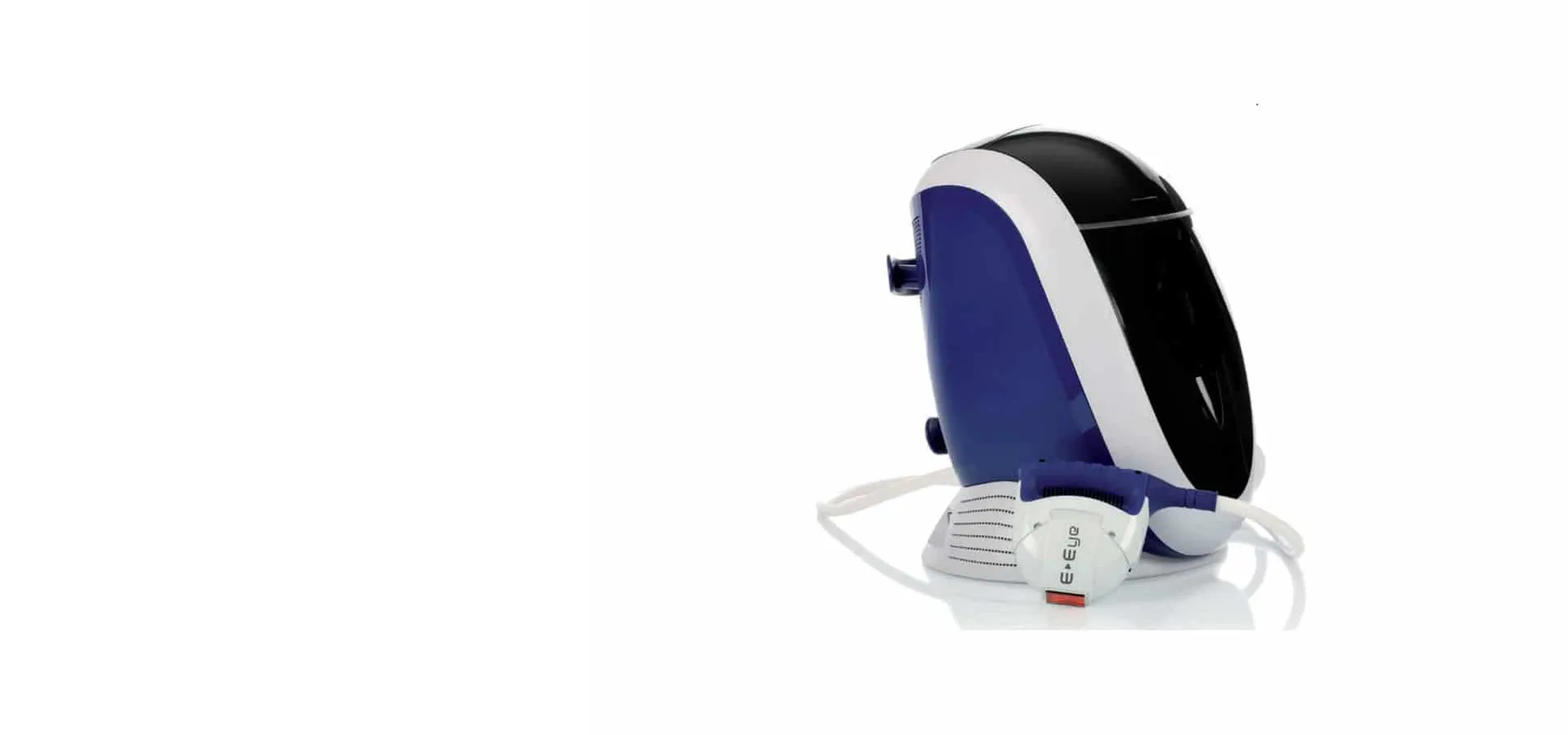
A calm, warming in-clinic treatment that targets the leading cause of dry eye at its source. We use the E>Eye IPL system, purpose-built to treat the eyes with precision.
Most dry eye isn't a shortage of tears. It's meibomian gland dysfunction, the tiny oil glands along your eyelid margin becoming blocked, so the protective oily layer of your tear film breaks down and tears evaporate too quickly. Intense Pulsed Light, or IPL, is an in-clinic treatment aimed directly at that underlying problem.
During treatment, a series of light pulses is applied near the eyelids. The light gently warms the eyelid tissue, helping to liquify the thickened, waxy oil that's clogging the meibomian glands and making it easier to express. Alongside this, IPL is understood to reduce surface inflammation, encourage small changes in the blood vessels that feed inflammation to the glands, and reduce populations of Demodex mites and bacteria that can aggravate eyelid disease.
IPL for meibomian gland dysfunction has been studied extensively in clinical research, including randomised controlled trials and systematic reviews. Current evidence suggests that IPL can improve symptoms and tear-film stability, particularly in patients with meibomian gland dysfunction (MGD) and evaporative dry eye.
Multiple systematic reviews and meta-analyses have reported improvements in measures such as tear break-up time (TBUT) and Ocular Surface Disease Index (OSDI) scores following IPL treatment. We offer IPL at our Dry Eye Clinic because research, together with our clinical experience, supports it as a treatment that can address underlying causes of evaporative dry eye, not simply provide temporary symptom relief.
Made specifically to treat dry eye, so treatment is precise and consistent every visit.
E>Eye IPL is designed from the ground up as a dry eye device, with light delivery calibrated for precision and consistency near delicate eyelid tissue. That matters for both comfort during treatment and the reliability of the result session to session.
IPL works best for evaporative dry eye caused by meibomian gland dysfunction. Our Dry Eye Assessment confirms your specific sub-type using proper imaging before we recommend any treatment, so you're never starting a course of IPL as a guess.
Four sessions over roughly ten weeks, with the effect building session on session.
First session. You're reclined and relaxed while light pulses are applied near your eyelids, followed by gentle expression of the meibomian glands.
Second session. The gentle warming continues loosening thickened gland oil, and many patients begin noticing early improvements in comfort and irritation.
Third session. The cumulative effect of treatment becomes more noticeable here, with continued improvement in gland function and tear film stability.
Fourth session, completing the course. Most patients report considerable improvement in comfort and reduced reliance on lubricating drops.
After completing the full course, results typically last at least six months and, for many patients, up to two years. We recommend a single annual maintenance session to help sustain the improvement, rather than starting the full course again from scratch.
Save with a pre-paid treatment package compared to paying session by session,
and combination bundles offer the greatest savings.
A Dry Eye Assessment is required before starting any dry eye treatment, so we can confirm the treatment is the right choice for your condition. Additional fees may apply for non-Medicare holders.
IPL and LLLT use different mechanisms to target the underlying factors contributing to dry eye. Research suggests that combining these light-based therapies can improve symptoms and tear-film stability, particularly in patients with meibomian gland dysfunction and evaporative dry eye.
For suitable patients, we may combine IPL and LLLT as part of a personalised treatment plan aimed at reducing eyelid inflammation, supporting meibomian gland function and improving the stability of the tear film, not just treating the symptoms of dry eye.
Before any treatment, we confirm exactly what's driving your dry eye with a proper assessment, so IPL is recommended because it fits your eyes, not just because it's available.