
Optometrist reviewing myopia progression data with a family at Eyecare Concepts Melbourne
Our Clinic's Experience

RLRL Case Studies

Illustrative examples of how repeated low-level red light therapy is used to manage children's myopia progression in our clinic, alongside the published five-year evidence.

Home › Myopia › Myopia Control › Red Light Therapy › Our Clinic Case Studies
Case Examples

Four Illustrative RLRL Case Examples

Real-world individual results vary. These examples are built to reflect typical patterns and outcome ranges we see using RLRL in our clinic, and are being finalised with de-identified data.

About these case studies: the fields below are structured as a template. Once finalised with de-identified data from real cases (age range, axial length readings, adherence and outcome), this note will be replaced with a short explanation of how case examples were selected and anonymised.
Case 1

Early-Onset, Fast Progressor

Age Range
6–8 years
Starting Prescription
e.g. -1.50D
Treatment Duration
e.g. 18 months
Session Adherence
e.g. 92%
ReviewAxial LengthRefractionNotes
Baseline[AL, mm][Rx]Fast progression noted in prior 12 months
6 months[AL, mm][Rx]RLRL started, adherence discussed with family
12 months[AL, mm][Rx]Annual growth tracked below prior rate
18 months[AL, mm][Rx]Continued control, family reports easy routine
Outcome: [Summarise the axial length trend and how it compares to the child's pre-treatment progression rate]
Case 2

Combination With Myopia Control Glasses

Age Range
9–11 years
Starting Prescription
e.g. -2.25D
Treatment Duration
e.g. 24 months
Session Adherence
e.g. 85%
ReviewAxial LengthRefractionNotes
Baseline[AL, mm][Rx]Already wearing myopia control glasses
6 months[AL, mm][Rx]RLRL added due to continued progression
12 months[AL, mm][Rx]Combined approach reviewed
24 months[AL, mm][Rx]Long-term trend assessed
Outcome: [Summarise how the combination approach affected the progression trend]
Case 3

Teenage Onset

Age Range
13–15 years
Starting Prescription
e.g. -1.00D
Treatment Duration
e.g. 12 months
Session Adherence
e.g. 96%
ReviewAxial LengthRefractionNotes
Baseline[AL, mm][Rx]New myopia diagnosis, high adherence expected
6 months[AL, mm][Rx]Strong routine adherence reported
12 months[AL, mm][Rx]One year of data reviewed
Outcome: [Summarise result, noting our five-year data shows control rates are typically highest in this age group]
Case 4

Slower Initial Response

Age Range
7–9 years
Starting Prescription
e.g. -1.75D
Treatment Duration
e.g. 18 months
Session Adherence
e.g. 70%
ReviewAxial LengthRefractionNotes
Baseline[AL, mm][Rx]Treatment started
6 months[AL, mm][Rx]Adherence below target, discussed with family
12 months[AL, mm][Rx]Routine adjusted, adherence improved
18 months[AL, mm][Rx]Improved control following adherence changes
Outcome: [Summarise how adherence changes affected results, illustrating why consistent session use matters]
Watch & Learn

Our RLRL Webinars

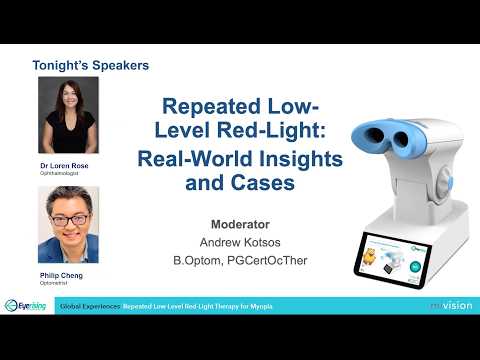
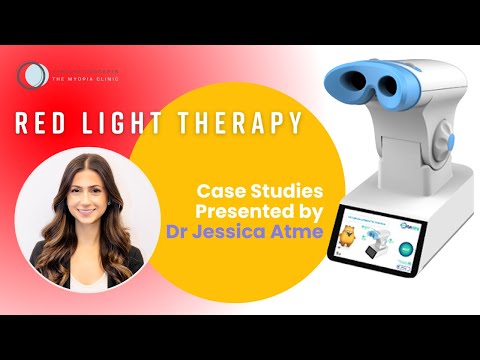
For more on the evidence behind these results, watch Dr Philip Cheng's RLRL webinars covering the research and safety data in depth.

RLRL Webinar: The Evidence For Red Light Therapy

RLRL Webinar: The Evidence For Red Light Therapy

An in-depth look at the clinical evidence behind RLRL, including trial results and how it fits alongside our other myopia control treatments.

RLRL Webinar: Safety, Practicalities & Getting Started

RLRL Webinar: Safety, Practicalities & Getting Started

A practical walkthrough of RLRL safety data, what a session looks like, and how families get started with the treatment.

our-clinic-case-studies-02.jpg — RLRL Case Review Photo
Common Questions

RLRL Case Studies: FAQs

Are these real patients from your clinic?
These case examples are built from the kind of results and progression patterns we typically see in clinic, presented in a de-identified, illustrative format. Specific patient names, exact dates and identifying details are never published without explicit consent.
Why publish case studies alongside the published research?
Published trial and real-world data, like the five-year RLRL study covering nearly 3,000 children, tells you what to expect on average. Case examples help show what that looks like in practice for an individual child, which many families find easier to relate to.
Do all children respond to RLRL the same way?
No. Response varies by age, baseline axial length, adherence to the twice-daily session schedule and other individual factors. The published five-year data found control rates ranging from roughly 54% to 62% of children each year, meaning some children respond better than others.
How is axial length tracked over time?
We measure axial length using optical biometry at baseline and at regular reviews, generally every six months, giving an objective, repeatable measurement of how the eye is growing over time.
What counts as a good result on RLRL?
Based on published data, annual axial length growth under 0.1mm is generally considered effective control. We track this figure for every child using RLRL and adjust the treatment plan if results fall outside the expected range.
Can we see how our own child is progressing compared to these examples?
Yes, we review your child's own axial length and refraction data with you at every appointment, and can discuss how their individual progression compares with typical patterns we see in clinic.
Does a slower first year mean RLRL isn't working?
Not necessarily. Published five-year data shows year-to-year variation is normal, and the treatment effect has been shown to be sustained across multiple years rather than needing to be dramatic in year one. We look at the overall trend, not a single measurement.
What if RLRL isn't controlling our child's myopia well enough?
If axial length growth isn't slowing as expected, we discuss options, including adjusting the session routine, checking adherence, or considering an additional or alternative treatment from our other four options.
Where can we see the published research behind these results?
Our Red Light Therapy page summarises the five-year, 2,885-patient real-world study and links to our RLRL webinars, which go into the evidence in more depth.
How do we get started with RLRL for our own child?
Book a comprehensive myopia assessment, and if RLRL is a good fit, we'll set your child up with the device and a monitoring plan, explained on our Getting Started with RLRL page.

See How RLRL Could Help Your Child

Book a comprehensive myopia assessment and we'll talk through RLRL, including how we track and monitor progress, for your child specifically.

Case examples on this page are illustrative and structured from typical patterns and outcome ranges observed in clinic; they are being finalised with de-identified real patient data. Individual results vary by age, baseline axial length, adherence and other factors. This page is general information, not medical advice or a guarantee of results, please speak with one of our optometrists about what to expect for your child.
Book an Appointment