Eye examination for pink eye and conjunctivitis at Eyecare Concepts Melbourne
Eye Health Conditions

Pink Eye & Conjunctivitis: Getting It Right

Most pink eye is mild and short-lived, but redness can occasionally signal something more serious. Here's how to tell the difference, and why an optometrist should be your first call.

What Is Pink Eye?

"Pink eye" is the common name for a red, irritated eye, and it's one of the most searched eye symptoms for good reason: it's common, uncomfortable, and can look quite similar whether the cause is mild or more serious. Most of the time, pink eye means conjunctivitis, inflammation of the conjunctiva, the thin, clear membrane covering the white of the eye and the inside of the eyelids.

Conjunctivitis itself isn't one single thing. It comes in four main types, bacterial, viral, allergic and chemical, each with a different cause and a genuinely different treatment. Getting the type right matters: antibiotic drops do nothing for a viral infection, and an untreated bacterial infection can linger longer than it needs to.

To make things more complicated, "pink eye" is also used loosely to describe a handful of other conditions, some mild, some considerably more serious, that can look similar at a glance but need very different management.

conjunctivitis-02.jpg — Red Eye Close-Up Photo
Common Causes

The Four Types Of Conjunctivitis

Most pink eye falls into one of these four categories, each recognisable by slightly different signs.

Bacterial Conjunctivitis

Often causes thick, yellow or green discharge, with eyelids that can feel stuck together on waking. Usually treated effectively with prescription antibiotic drops.

Viral Conjunctivitis

Typically produces watery discharge, often alongside a cold or upper respiratory infection, and is highly contagious. Usually resolves on its own over one to two weeks, similar to a common cold.

Allergic Conjunctivitis

Causes itching, watering and redness in both eyes, often linked to hay fever or other allergens. Managed with antihistamine or mast cell stabiliser drops rather than antibiotics.

Chemical Conjunctivitis

Caused by exposure to irritants like chlorine, cleaning products, smoke or fumes, usually with a clear history of exposure and a burning sensation. Immediate rinsing with water is the first step, and any exposure to a strong chemical should always be assessed to rule out deeper corneal damage.

Red Flags

When Red Eye Is More Than Simple Conjunctivitis

A number of more serious conditions can look like conjunctivitis at first glance, particularly when there's pain, light sensitivity or reduced vision alongside the redness. These need prompt, accurate diagnosis rather than being treated as routine pink eye.

Corneal Ulcer

An open sore on the cornea, which can be bacterial, related to contact lens wear, or caused by the herpes virus. Usually comes with significant pain, light sensitivity and sometimes a visible white spot. This needs same-day assessment, since delayed treatment can threaten vision.

Episcleritis

Inflammation of the outer layer covering the sclera, causing localised redness and mild discomfort. Usually milder and self-limiting, though it still benefits from an accurate diagnosis to rule out the more serious scleritis.

Scleritis

A deeper, more serious inflammation of the sclera itself, often associated with significant pain and, in some cases, underlying autoimmune conditions. Requires prompt assessment and, often, referral for broader treatment.

Uveitis / Iritis

Inflammation inside the eye, often causing pain, light sensitivity, blurred vision and a smaller, sluggish pupil. Needs prompt treatment with prescription drops to prevent complications affecting vision.

If you notice any of these symptoms, seek help without delay to exclude more serious conditions.

conjunctivitis-03.jpg — Slit Lamp Examination Photo

Why An Optometrist Should Be Your First Call

A lot of people default to booking a GP appointment for a red or sore eye, but optometrists are genuinely better equipped for this. We have slit lamp microscopes to examine the eye in detail, fluorescein staining to check for corneal damage, and the specific training to recognise the differences between conjunctivitis, a corneal ulcer, episcleritis, scleritis and uveitis, conditions that can look very similar to the naked eye but need very different treatment.

As therapeutically endorsed optometrists, our team can prescribe topical antibiotics and other medicated eye drops directly, for many kinds of pink eye and infective eye conditions, without needing a separate referral or appointment elsewhere. In a lot of respects, an optometrist is the GP for your eyes, and should be the first port of call for any red, sore or irritated eye.

What matters most is prompt, accurate assessment. Getting the diagnosis right the first time means the right treatment starts sooner, whether that's antibiotic drops, supportive care, or urgent referral for a more serious cause.
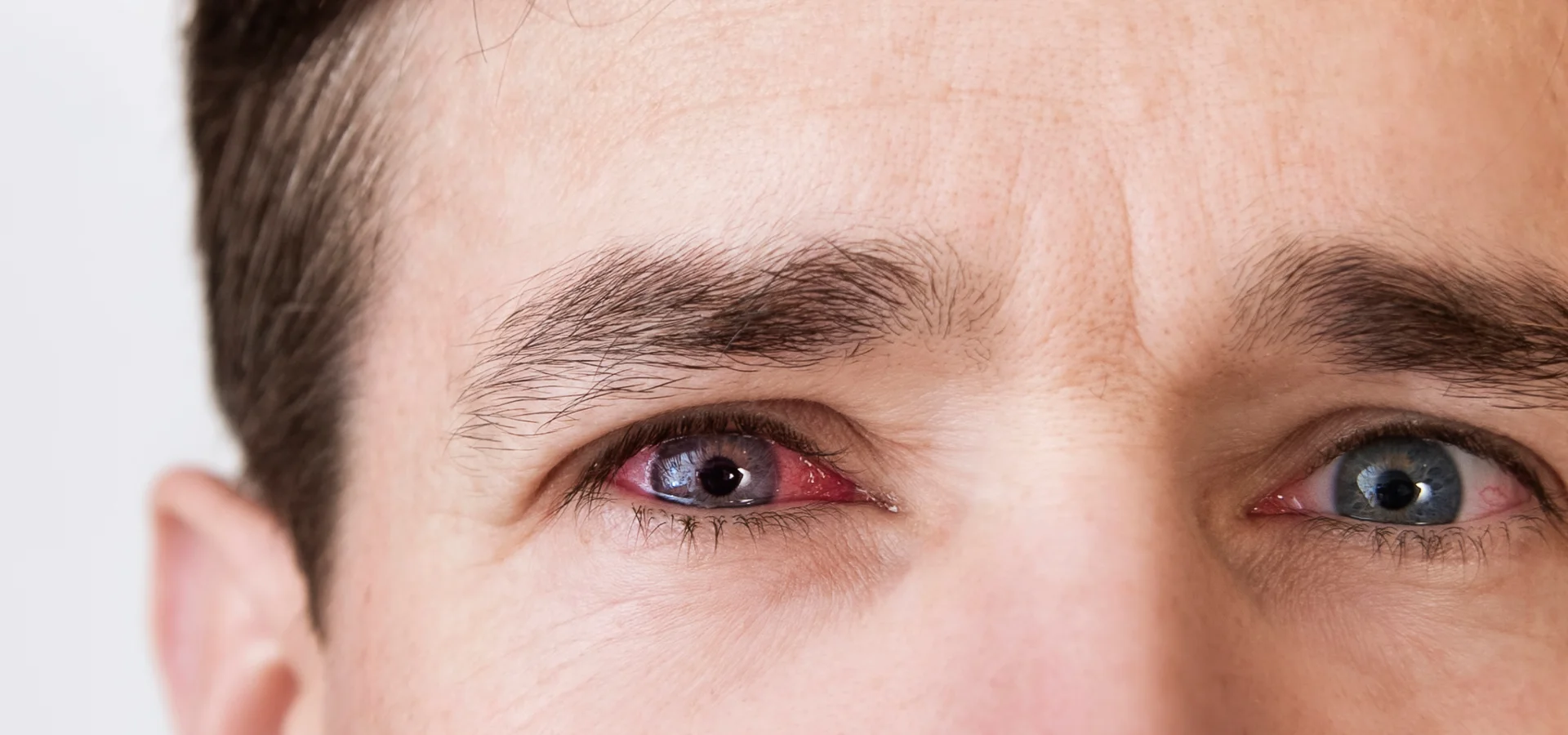
Be Cautious With Self-Treating Pink Eye

It's tempting to pick up an over-the-counter eye drop and hope it settles down on its own. The trouble is, the wrong drop for the wrong cause can delay proper treatment, giving the underlying condition more time to worsen, and in some cases this can lead to deterioration and even permanent vision loss, particularly with a corneal ulcer or other serious cause.

Chloramphenicol, sold as Chlorsig, is commonly prescribed by GPs for pink eye of almost any kind. It can be a reasonable option for straightforward bacterial conjunctivitis, but if the underlying cause hasn't actually been diagnosed correctly, an antibiotic alone may not be the right treatment, and time can be lost before the real cause is addressed. Seeing a therapeutically endorsed optometrist first means the diagnosis and the treatment are matched from the outset.

Detection & Diagnosis

How We Assess A Red Eye

A proper assessment focuses on confirming the cause accurately, so treatment is targeted rather than guessed at.

Slit Lamp Examination

A detailed, magnified view of the conjunctiva, cornea and surrounding structures, essential for telling these conditions apart.

Fluorescein Staining

A special dye highlights corneal damage or ulcers that wouldn't otherwise be visible, particularly important where pain is present.

Discharge & Symptom History

We ask about the type of discharge, contact lens wear, recent illness, and allergy history to help narrow down the cause.

Pupil & Internal Eye Check

Checking pupil response and the inside of the eye helps rule out uveitis or iritis, which need a different treatment path entirely.

conjunctivitis-05.jpg — Fluorescein Staining Examination Photo
Management Options

Pink Eye: What Happens Next

Treatment is matched specifically to what's causing the redness, not applied generically.

1

Prompt Assessment To Confirm The Cause

A same-day or next-available appointment gets your eye examined properly, rather than guessing at the cause from symptoms alone.

2

Targeted Treatment

Antibiotic drops for bacterial infections, supportive care for viral cases, or antihistamine and mast cell stabiliser drops for allergic conjunctivitis, prescribed directly where appropriate.

3

Contact Lens Advice

If you wear contact lenses, we'll advise pausing them until you're cleared, particularly given the added risk of a corneal ulcer.

4

Urgent Referral For Serious Causes

Where a corneal ulcer, scleritis or uveitis is found, we arrange urgent referral to an ophthalmologist rather than treating it as routine pink eye.

5

Follow-Up To Confirm Resolution

For anything beyond a mild, self-limiting case, we'll check that treatment has worked as expected and symptoms have properly resolved.

conjunctivitis-04.jpg — Clinic Consultation Photo

Our Approach To Red Eye

Because so many different conditions can present as a red, sore or irritated eye, our focus is on getting an accurate diagnosis quickly rather than treating every red eye the same way. Our therapeutically endorsed optometrists can prescribe the appropriate medicated drops directly for most cases of pink eye, so treatment can start the same day.

Where something more serious is found, whether that's a corneal ulcer, scleritis or uveitis, we arrange urgent referral without delay. Our Kew East practice is easily accessible from across Melbourne's inner east, including Hawthorn, Camberwell, Balwyn and Box Hill.

conjunctivitis-06.jpg — Conjunctivitis Assessment Photo
Common Questions

Pink Eye & Conjunctivitis FAQs

Is pink eye contagious?
Viral and bacterial conjunctivitis are both contagious and can spread easily through contact with discharge or contaminated surfaces. Allergic conjunctivitis, on the other hand, isn't contagious at all, since it's a reaction to an allergen rather than an infection.
How long does pink eye last?
Viral conjunctivitis typically runs its course over one to two weeks, similar to a cold. Bacterial conjunctivitis usually improves within a few days of starting antibiotic drops. Allergic conjunctivitis can persist as long as you're exposed to the trigger.
Can pink eye go away on its own?
Mild viral and some bacterial cases can improve without treatment, but we'd still recommend getting it assessed. What looks like straightforward pink eye can occasionally be something more serious, and confirming the cause means you can treat it correctly rather than guessing.
Is pink eye the same as conjunctivitis?
Mostly, yes. Conjunctivitis is the medical term for what's commonly called pink eye. However, people also use pink eye loosely to describe other causes of a red eye, such as episcleritis, scleritis or uveitis, which need different treatment to conjunctivitis.
Can I wear contact lenses with pink eye?
No. Contact lenses should be stopped as soon as you notice symptoms and not worn again until you've been assessed and cleared. Continuing to wear lenses with an active infection raises the risk of it worsening or progressing to a corneal ulcer.
Should I see a GP or an optometrist for pink eye?
An optometrist is generally the better first call. We have the equipment, including slit lamp microscopes and staining, and the specific training to examine the eye in detail and distinguish conjunctivitis from more serious look-alike conditions, something a general practice often isn't set up to do as thoroughly.
What's the difference between viral and bacterial conjunctivitis?
Bacterial conjunctivitis typically produces thick, yellow or green discharge and eyelids that feel stuck together on waking. Viral conjunctivitis usually causes watery discharge and often accompanies a cold or upper respiratory infection. The distinction matters because antibiotics only help bacterial cases.
Can allergies cause pink eye?
Yes. Allergic conjunctivitis is a common cause of red, itchy, watering eyes, often linked to hay fever, pet dander or other allergens, and typically affects both eyes at once. It's managed with antihistamine or mast cell stabiliser drops rather than antibiotics.
When is a red eye an emergency?
Significant pain, light sensitivity, reduced vision, or a red eye following contact lens wear are all reasons for prompt, same-day assessment rather than waiting it out. These can indicate a corneal ulcer, scleritis or uveitis, all of which need timely, accurate diagnosis.
Can an optometrist prescribe antibiotics for pink eye?
Yes. As therapeutically endorsed optometrists, our team can prescribe topical antibiotics and other medicated eye drops directly for many kinds of infective and inflammatory eye conditions, without needing a separate referral or GP appointment first.

Book A Comprehensive Eye Assessment

Red, sore or irritated eye? Please call us directly rather than booking online so we can prioritise a same-day appointment. Prompt, accurate diagnosis is the best way to get the right treatment started sooner.

Book an Appointment